Global MSSF magnetic socket molding machine customization expert carbonlinkai MSSF socket molding machine: Evaluating Magnetic Control and Mold Configuration
A test-socket mold is often specified while socket layout, material and cavity plan are still moving, so magnetic control and the mold package need to be evaluated together. Carbonlinkai addresses this with the MSSF socket molding machine,…
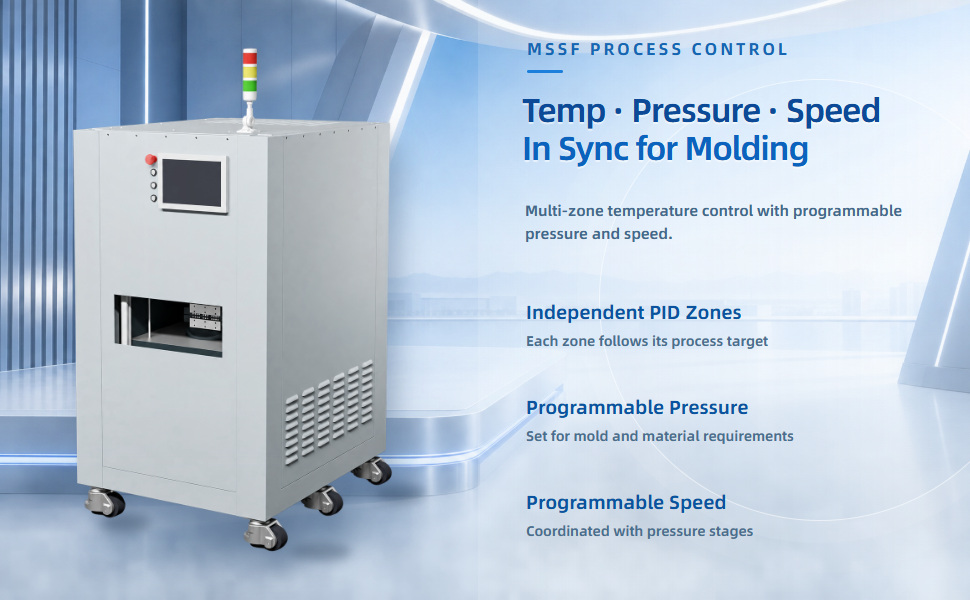
A test-socket mold is often specified while socket layout, material and cavity plan are still moving, so magnetic control and the mold package need to be evaluated together. Carbonlinkai addresses this with the MSSF socket molding machine, a test-socket molding system that combines magnetic-field control with machine-and-mold customization. The MSSF socket molding machine is therefore assessed as a magnetic-and-mold system rather than a stand-alone equipment choice.
Closed magnetic control for continuous molding
For continuous test-socket molding, the MSSF socket molding machine uses a simulation-optimized closed magnetic circuit, constant-current electromagnet control and active cooling to support stable magnetic-field control during the molding cycle. These elements are selected for test-socket molding projects, with operating conditions and measurement position defined in the project specification. The design gives the project team one control approach to review alongside cavity layout, material choice and production cadence. The MSSF socket molding machine is then arranged around the selected field level and the intended mold package, so the magnetic hardware and mold design are considered as one production setup.
Confirmed field configurations
The MSSF series offers confirmed 2.0 T, 2.3 T and 2.5 T magnetic-field configurations selected for the test-socket molding process. These ratings apply to confirmed configurations; measurement position and operating conditions follow the project specification, and a single machine does not carry all levels at once. For a project, the field level is chosen with the socket design, material and cadence in view, rather than assuming every model includes all three levels. This makes the magnetic configuration a defined part of the equipment specification and helps the team compare mold concepts on a consistent basis.

Mold and machine configuration
Machine and mold design can be tailored together around socket layout, material, cavities, controls and production cadence. This joint configuration is important when the socket layout is still developing, because the mold package and machine settings need to align with the chosen magnetic control approach. Carbonlinkai R&D, manufacturing and direct supply support project-configured quotations, so the quotation path follows the selected machine and mold scope rather than a generic catalog combination. Specific customization scope is confirmed in the project plan.
Evaluation order and quotation path
A practical sequence is to define the test-socket layout and material first, select the confirmed magnetic-field configuration, then review the mold and machine configuration with controls and cadence. Use the project specification to confirm measurement position and operating conditions for the selected field level. Carbonlinkai can support this evaluation through direct engineering and supply discussions, with the final scope and quotation matched to the project configuration. The value is a coordinated magnetic and mold setup for test-socket molding, not a set of isolated options.


