Laboratories & workflow teams
Start with the vessels, magnetic beads and separation steps you already use. Describe where an existing format needs to fit your handling or sample-processing workflow.
Magnetic separation designed around your sample, equipment and process. We bring capacity, magnetic field, mechanical design and automation requirements into one engineering direction.
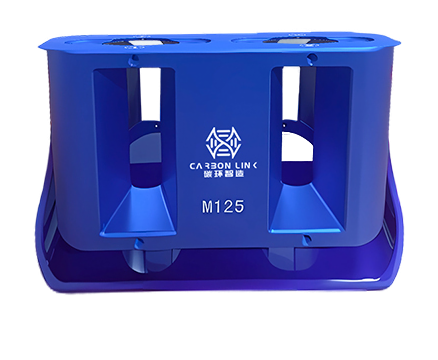
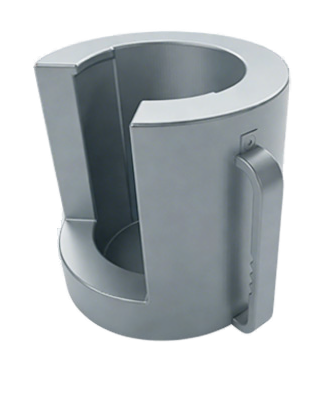
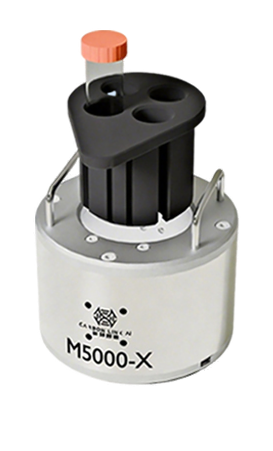
Tube racks, magnetic plate separators and large-volume equipment can be discussed around your existing labware, magnetic bead system and installation requirements.
Start with the vessels, magnetic beads and separation steps you already use. Describe where an existing format needs to fit your handling or sample-processing workflow.
Discuss a magnetic rack or plate format around your consumables and bead system. Product dimensions, magnet layout and branding can be considered together as part of an OEM project.
Bring the mounting space, labware format and equipment interfaces into the discussion. Mechanical fit and automation requirements need to be reviewed alongside the magnetic separation step.
Review capacity, magnetic circuit, structure and automation together.
Fit the bead size, consumable, vessel and working volume to the separation workflow you need.
Browse existing equipmentNominal vessel capacity and actual working volume are separate inputs. An outer diameter and bottom-profile description help establish the fit more clearly than a volume label alone.
Use 3D magnetic-circuit simulation to refine field gradients, attraction and potential dead zones.
The magnetic layout needs to be considered together with vessel geometry and the sample-processing requirements. Simulation provides a way to review that engineering direction.
Consumable dimensions, actual working volume, magnetic bead information and a description of the separation steps.
Develop the structure around your equipment envelope, then carry the direction from prototype review toward production.
Start from the consumable and the space available in the instrument. Structural dimensions and mounting conditions should be defined around the actual installation and handling needs.
Dimensioned drawings where available, photographs of the installation area, labware information and the intended mounting arrangement.
The four-position design illustrates how column positions can be organized in one structure. Column format and loading conditions must follow the selected labware and reagent instructions.
View the product referenceReserve standard communication interfaces and customize the module hardware or software logic for integration.
Module integration involves the surrounding labware, mounting structure and equipment control. Where relevant, the magnetic separation step also needs to be discussed alongside instrument fluidics.
An equipment overview, interface information, the intended sequence of operation and relevant labware or fluidics requirements.
This cell-separation module is configured around separation columns and instrument mounting requirements. Interfaces, installation space and column format need to be verified before integration.
View the product referenceDescribe the workflow and inputs.
Start with the vessel, beads and process. Add drawings, dimensions or photographs that explain the fit you need.
Assess the relevant engineering scope.
Identify the known constraints, relevant existing formats and technical questions that need clarification.
Align on an engineering direction.
Discuss geometry, magnetic layout and integration priorities before establishing the product specification.
Continue with the project requirement.
Confirm open requirements and agree which technical information is needed for the next discussion.
Tell us about your sample, equipment and process.
Share your contact details and project requirements to discuss your sample, equipment and customization needs.
Submit a custom enquiry Review what to prepareQuestions about getting started.
Please provide the following requirements:
Capacity & format fit: Fit the bead size, consumable, vessel and working volume to the separation workflow you need.
Magnetic field simulation: Use 3D magnetic-circuit simulation to refine field gradients, attraction and potential dead zones.
Equipment-specific structure: Develop the structure around your equipment envelope, then carry the direction from prototype review toward production.
Automation-ready modules: Reserve standard communication interfaces and customize the module hardware or software logic for integration.
Share: Describe the workflow and inputs.
Review: Assess the relevant engineering scope.
Define: Align on an engineering direction.
Discuss: Continue with the project requirement.
View the discussion stepsExisting labware is a useful starting point. Share the tube, plate, vessel or column format together with dimensions and the actual working volume. The magnetic bead system and workflow are also needed to review the fit.
Start by describing the workflow and providing the information you have. Consumable names, measured dimensions and photographs can explain the initial requirement. Drawings and interface details can be clarified during the discussion.
Compare the published labware and configuration information with your workflow. If vessel geometry, mounting conditions or integration requirements differ, share those differences for review. An existing product reference helps define the starting point; it does not establish compatibility by itself.
Provide the equipment envelope, mounting arrangement, intended labware, interfaces and sequence of operation. Include fluidics or separation-column information where relevant. Hardware and software requirements are reviewed together with the separation workflow.
Branding is one of the project inputs. Share the logo, label content, naming and placement requirements alongside the labware and engineering needs so that they can be considered when establishing the specification.